Source Portable Vacuum Cleaner for Cars, Homes, and Offices
Explore 30 portable vacuum cleaner options for sourcing. Compare models with 12V car power, battery operation, and corded designs. Evaluate features like brushless motors, HEPA filtration, and wet-dry capabilities to find the right fit for your business needs; compare the available evidence and request quotations based on your requirements.
Key considerations
Products List




Comprehensive Sourcing Guide
Portable Vacuum Cleaner Sourcing Guide
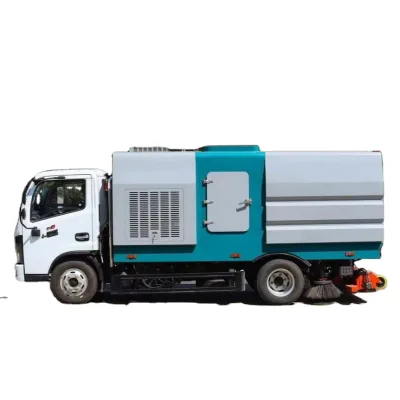
Procurement teams must first distinguish between corded and cordless portable vacuum cleaners, as the power source dictates the operational environment and supply chain requirements. The observed market data indicates a clear split between units powered by ignitors or mains electricity for heavy-duty tasks like truck and lorry cleaning, and battery-operated models designed for office or home use. Buyers should verify the specific power supply type required for their target application to avoid compatibility issues with existing infrastructure or charging capabilities.
The product scope also encompasses varying suction capabilities and filtration systems, ranging from basic dust cup filters to advanced HEPA filtration for ultra-fine air quality. While some models feature side cyclone technology for continuous suction, others rely on bagged or bagless designs with specific dust bin capacities. Sourcing strategies must align with the intended usage, whether it involves wet and dry cleaning for industrial vehicles or dry cleaning for delicate home environments, ensuring the selected unit meets the specific functional demands of the end-user.
Product Scope and Observed Listing Signals
Market listings reveal a significant variance in power ratings, with observed units ranging from 60W to nearly 1000W, directly influencing the suction performance and energy consumption profiles. Buyers must carefully review the power specifications to ensure the selected vacuum matches the cleaning intensity required, noting that higher wattage models often correlate with heavier industrial applications like microbus or truck maintenance. The observed price range of $1.83 to $31,760 suggests a wide spectrum of product tiers, necessitating a clear definition of budget constraints and performance expectations before engaging with suppliers.
Minimum Order Quantities (MOQs) observed in the market span from single units to 3000 pieces, reflecting the flexibility of suppliers to accommodate both pilot testing and large-scale distribution. Procurement planners should assess their inventory needs against these MOQ thresholds to optimize cash flow and storage logistics. Additionally, the presence of customization options allows buyers to tailor product features, such as color box packaging or specific cleaning attachments, to align with brand identity and regional market preferences without incurring prohibitive tooling costs.
Technical Specifications to Verify
Technical due diligence requires a rigorous verification of motor types and battery specifications for cordless models, as these components determine the longevity and runtime of the device. The market features brushless motors paired with 11.1V 2000mAh Li-ion batteries, offering a working time of approximately 20 minutes after a 3-4 hour charge cycle. Buyers must confirm that the battery capacity and charging infrastructure support their operational schedules, particularly for applications requiring extended cleaning sessions without interruption.
Filtration efficiency and dust capacity are critical technical parameters that must be validated against the specific debris types encountered in the target application. While some units offer a dust capacity of 170ml suitable for handheld office cleaning, others provide larger capacities between 0.5L and 1L for more demanding environments. The noise level, observed between 70-74 dB for certain models, should also be evaluated to ensure compliance with workplace safety standards and user comfort, especially in quiet office or residential settings where excessive noise could be disruptive.
Compliance and Safety Documentation
Regulatory compliance is a non-negotiable aspect of sourcing portable vacuum cleaners, with certifications such as CE, RoHS, and ETL serving as primary indicators of safety and environmental standards. The observed product data includes a broad array of certifications including SASO, CB, GS, and ISO, which are essential for accessing diverse international markets. Procurement teams must request valid certification documents for each specific model to verify that the product meets the legal requirements of the destination country, avoiding potential customs delays or market entry barriers.
Safety documentation must also address the electrical and mechanical integrity of the vacuum cleaner, particularly regarding the power supply and battery systems. For corded models, the verification of voltage ratings and insulation standards is crucial to prevent electrical hazards, while battery-operated units require proof of lithium-ion battery safety testing. Buyers should ensure that the supplier provides comprehensive test reports and safety data sheets that align with the claimed certifications, ensuring that the product is safe for end-users in both commercial and residential environments.
Cost Drivers and Commercial Terms
The total cost of ownership is influenced by several factors, including the complexity of the motor system, the quality of the filtration media, and the packaging requirements. Units featuring brushless motors and advanced cyclone dust collectors typically command higher prices due to the superior engineering and durability they offer. Additionally, the choice of packaging, such as color boxes or gift boxes with cartons, adds to the unit cost but can significantly enhance the product's marketability and perceived value for retail distribution.
Commercial terms, including lead times and payment structures, vary significantly based on the order volume and the level of customization required. While some suppliers offer low MOQs for rapid prototyping, larger orders often benefit from more favorable pricing and consolidated shipping arrangements. Buyers should negotiate clear terms regarding production lead times, which can be affected by the availability of raw materials like PP+ABS plastics, and ensure that the contract includes provisions for quality disputes and delivery penalties to protect against supply chain disruptions.
Supplier Qualification and Quality Control
Supplier qualification should extend beyond basic certification checks to include an assessment of their manufacturing capabilities and quality control processes. The observed origin of products from China, specifically Ningbo, indicates a mature manufacturing hub with established supply chains for plastic components and electronic assemblies. Buyers should verify the supplier's ability to maintain consistent quality across batches, particularly for critical components like batteries and motors, which are prone to variation if not strictly controlled during production.
Quality control protocols must be clearly defined and agreed upon before production begins, focusing on key performance indicators such as suction power, noise levels, and battery life. Regular third-party inspections or in-house quality audits can help identify defects early in the manufacturing process, reducing the risk of receiving non-compliant goods. It is essential to establish a clear communication channel for reporting quality issues and to define the corrective actions required, ensuring that the final product meets the specified technical and safety standards.
Long-Term Procurement Checks
Sustainable procurement practices require ongoing monitoring of supplier performance and product reliability over the lifecycle of the partnership. Buyers should track return rates and customer feedback to identify any recurring issues with specific models, such as battery degradation or filter clogging, which could impact brand reputation. Establishing a long-term relationship with a reliable supplier ensures consistent access to spare parts and technical support, which is vital for maintaining the operational efficiency of the vacuum cleaners in the field.
Future-proofing the procurement strategy involves staying informed about emerging technologies and regulatory changes that may affect product specifications. As environmental standards evolve, suppliers may need to adapt their materials and manufacturing processes to comply with new regulations, such as stricter battery disposal rules or energy efficiency requirements. Buyers should maintain a proactive approach to supplier engagement, regularly reviewing product roadmaps and innovation pipelines to ensure that the sourced portable vacuum cleaners remain competitive and compliant in the evolving global market.
FAQs
What power options are available for portable vacuum cleaners?
Portable vacuum cleaners are available with both corded and battery power supplies. Corded models typically offer higher wattage for continuous use, while battery-operated units provide mobility. Some models utilize a 12V ignitor power supply for vehicle applications, ensuring versatile operation across different environments and user needs.
Can portable vacuum cleaners handle both wet and dry debris?
Yes, many portable vacuum cleaners are designed as wet and dry models. These units feature specialized motors and dust bins that can safely collect liquids and solid particles. This dual functionality makes them ideal for cleaning cars, trucks, and home interiors where spills and dust may occur simultaneously.
What certifications should I look for in portable vacuum cleaners?
Look for products with RoHS, CE, SASO, ETL, CB, GS, and ISO certifications. These standards ensure electrical safety and environmental compliance. Specific models may carry CE or RoHS marks, indicating adherence to regional regulatory requirements for electronic devices sold in various international markets.
How long does the battery last on cordless models?
Cordless models with 11.1V 2000mAh Li-ion batteries typically offer a working time of 20 minutes. Charging usually takes 3-4 hours to reach full capacity. This duration is sufficient for quick cleanups in cars or small office spaces before requiring a recharge cycle.
What is the typical suction power of these devices?
Suction power varies by model, with some achieving up to 16000PA. Higher wattage models may range from 500W to 999W for stronger performance. Lower power units under 500W are suitable for light dusting. Brushless motors often enhance efficiency and durability across different suction levels.
Are portable vacuum cleaners customizable for bulk orders?
Customization is available for many portable vacuum cleaner models. Buyers can often request specific packaging, such as color boxes or gift boxes, and tailored specifications. This flexibility supports branding needs and ensures the product meets specific logistical or aesthetic requirements for different target markets.